
Untimely Modernists
September 26 - October 30, 2026 at Akar Prakar, New Delhi
When we revisit the past, we stand before time. We experience a time before our time.
Here, before implies both time and space. We literally and bodily stand before a work of art that was made before our time. Yet, the three modernists, contemporaries of each other, were untimely: Amrita Sher-Gil, Jamini Roy and Rabindranath Tagore had an uncanny vision of times to come when modernist definitions of a work of art would develop fractures. When the singularity of the original would be questioned with the entry of multiple copies. The status of signature would alter with the coming of printmaking, when it would be left floating uneasily over the surface. Were they contemporaries simply on the terms of belonging to the early 20th century? Or was anachronism built into their practice, paving the way for an untimely modernism? Refusing a false binary assumed between the figurative and the abstract, their practice was oriented towards time yet to come.
By returning to these modernists today, are we re-canonizing the canon? Or are we bringing them out of the art history books, private collections and museums for a new take? This exhibition urges us to relook at modernism itself not as a passé discourse but as one that awaits a critical revisiting. How to retrieve the modern from the clutches of an apocalyptic imagination that stubbornly thinks of time as a past, a present and a future arranged in one line? Hasn’t the history of modernity demonstrated enough how a seamless rush to a singular future has an inbuilt violence? Closer to home was the spell cast by nationalism in the early twentieth century. Yet, each one of these artists outgrew it in practice through their cosmopolitan vision and inspiration. Rabindranath scribbled images out of words, blurring the distinction between writing and drawing; Amrita queried the East-West divide in arriving at a new iconography of human figures recognizably South Asian; Jamini turned his back on academic realism to experiment with the desi-folk idiom and forged a style of infinite repeatability. All three of these artists are like three lines that float in the same temporal universe, but they rarely intersect; when they do, the affinity emanates more from their modernist embrace of the signature than their individual styles. In his own time, Rabindranath, for example, witnessed the scandalous appropriation of his works through forged signatures.
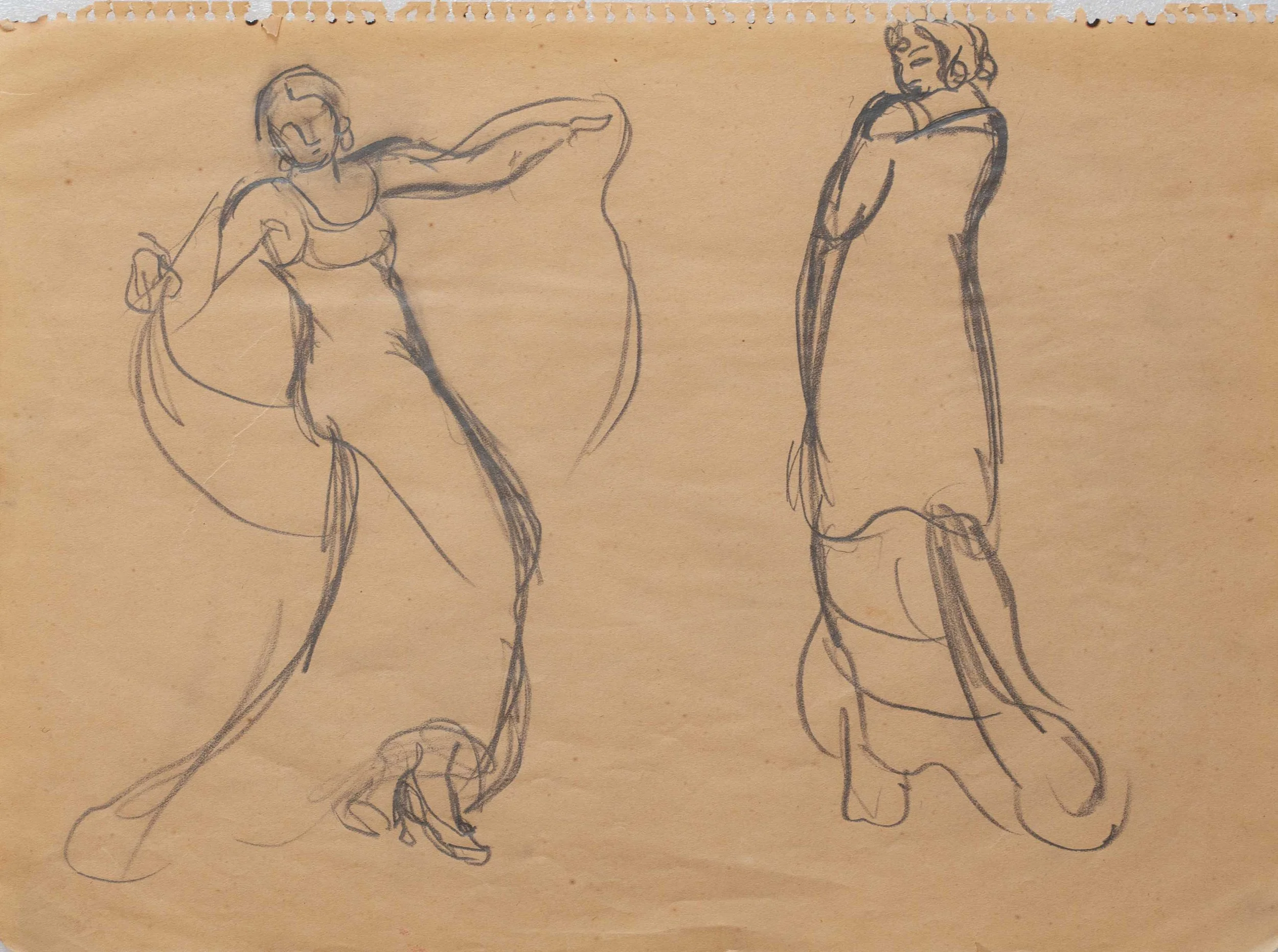
Time still informs the ordering of their works in this exhibition: a very young Amrita emerges in these works, playfully navigating a world of adolescent dreams and tremulous lines. Despite her leanings towards a European canon, the South Asian body arrests her imagination, which in later years would receive a distinct inscription. The middle phase of Jamini’s works offers a tantalizing transition from the academic style to his signature style of contemporary folk. Rabindranath, who came to painting and printmaking quite late in his life, shows a freshness of imagination and a spirit of experimentation associated with young artists. It is impossible to chart their practices on a linear, calendar time. Space intervenes and complicates any neat chronology. Their practice faces different directions with a common aim of resisting a linear unfolding: the past, the present and the future interminably loop to disclose an untimely modernism.
- Parul Dave Mukherji
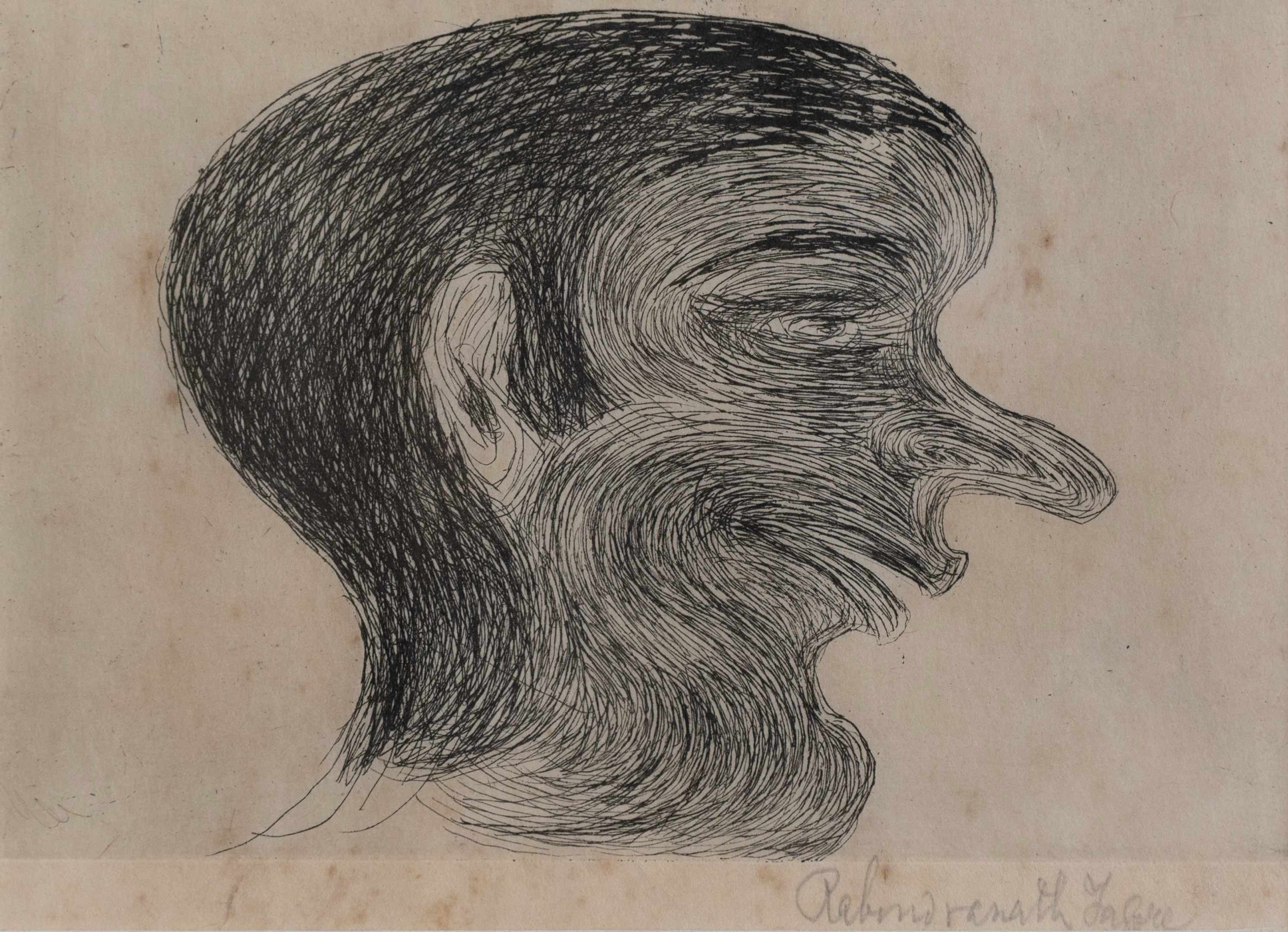
Rabindranath Tagore | Etching print | 4.5 x 7 inch
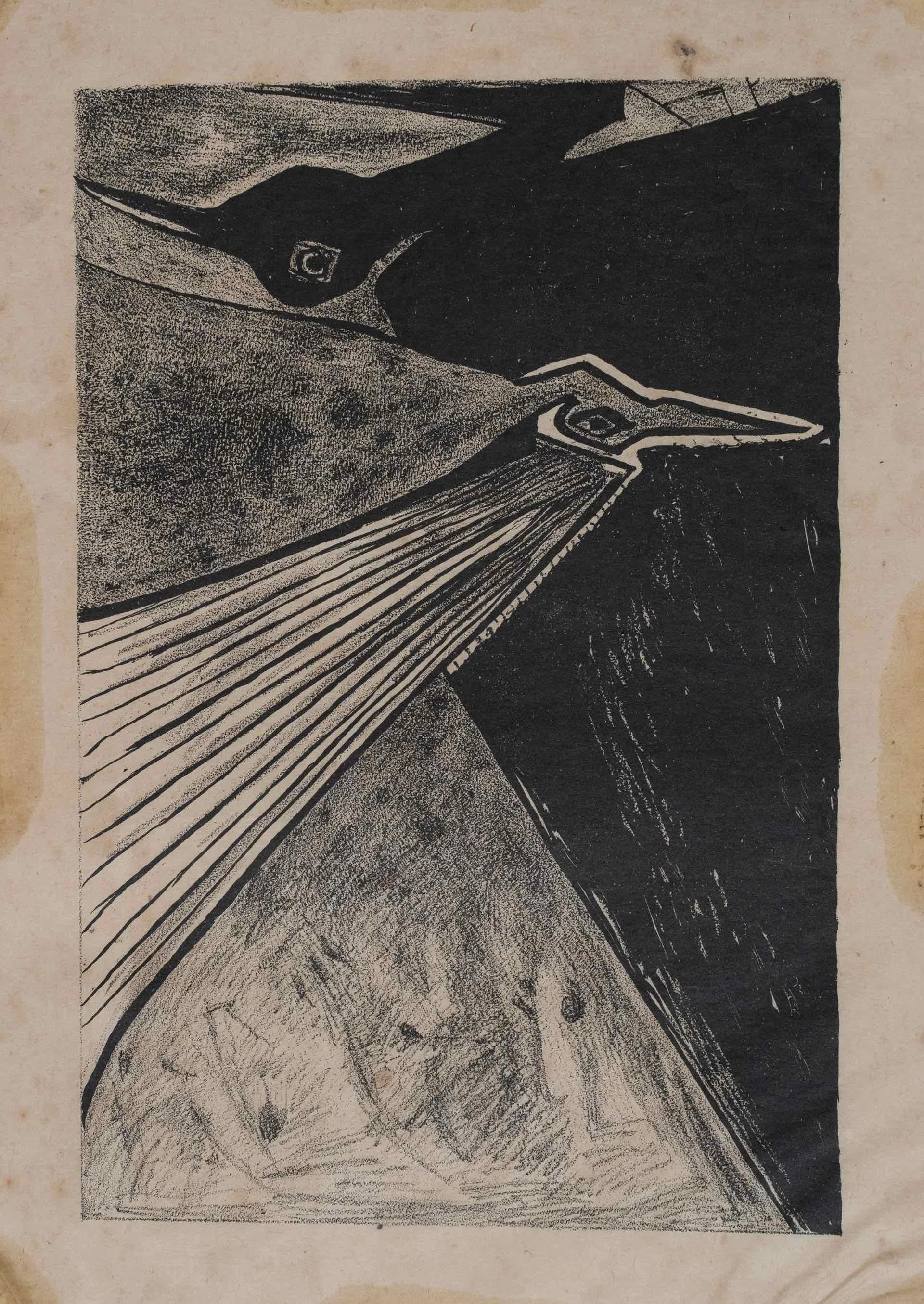
Rabindranath Tagore | Lithograph Print | 7.25 x 4.75 in
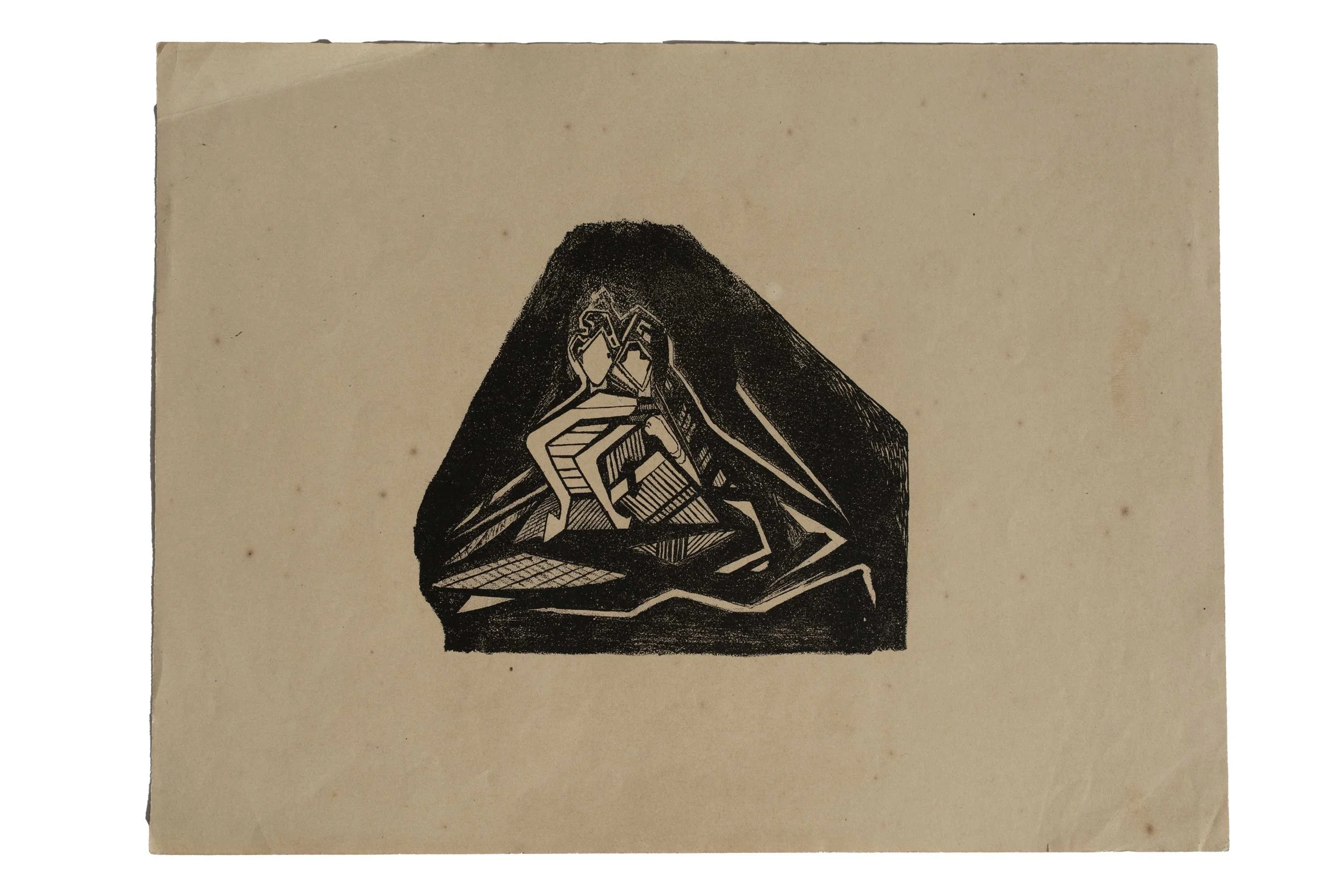
Rabindranath Tagore | Lithograph Print | 4 x 4.75 in
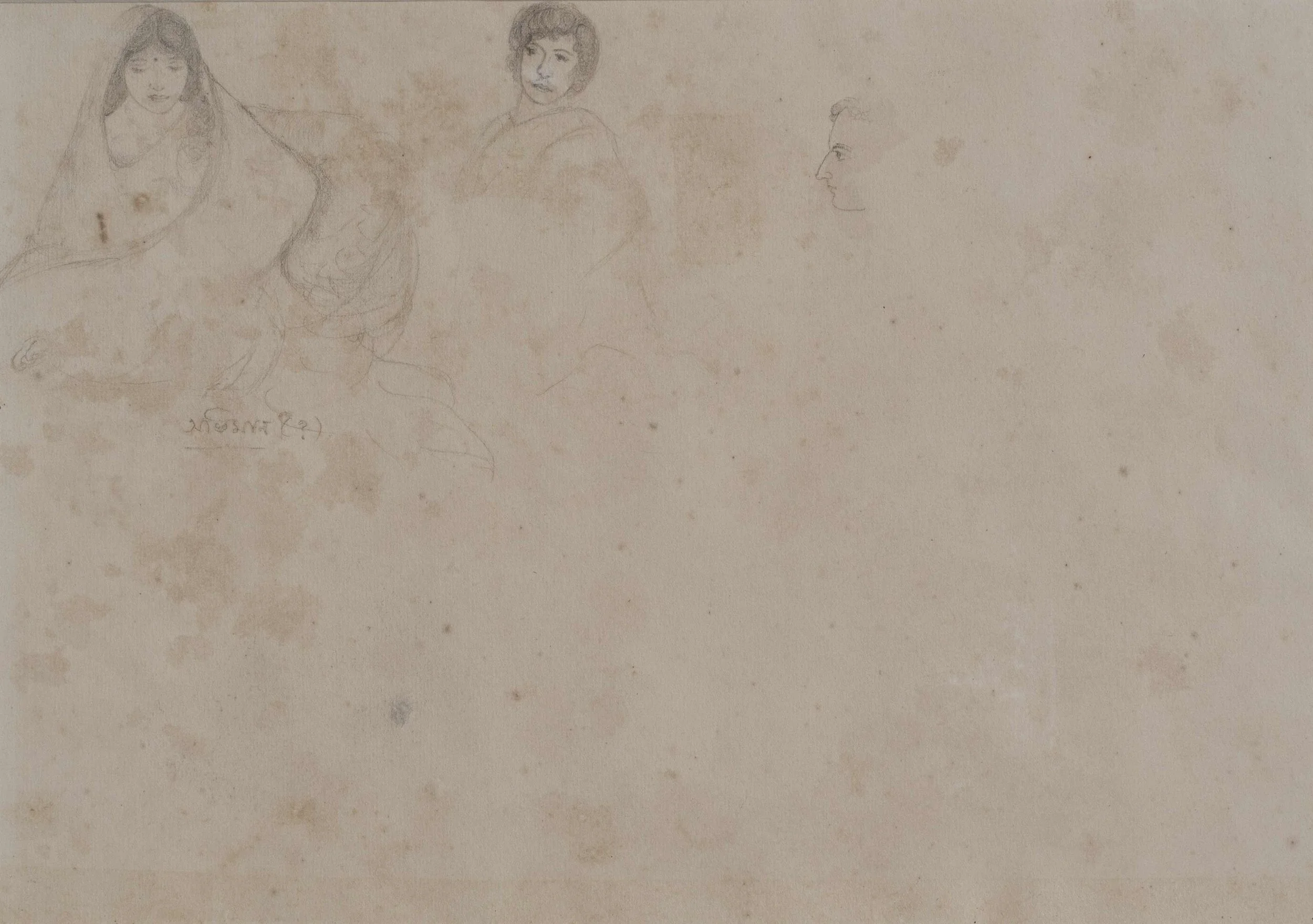
Rabindranath Tagore | Apraadh-Abhimaan | Graphite on Paper | 9.75 x 13.5 inches
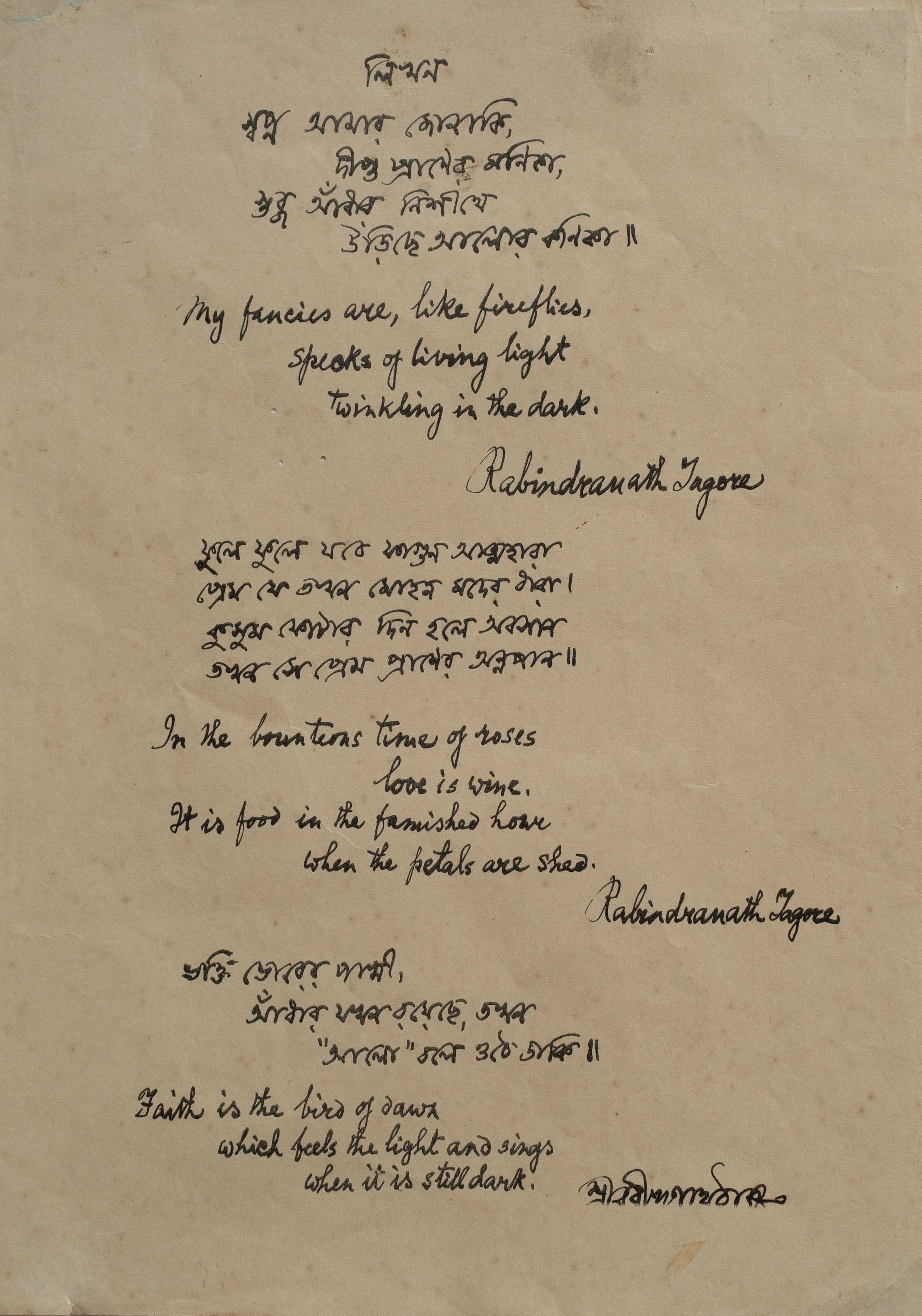
Rabindranath Tagore | Untitled 4 (mukul dey collection) | Lithography on paper | 11.25 X 8 In
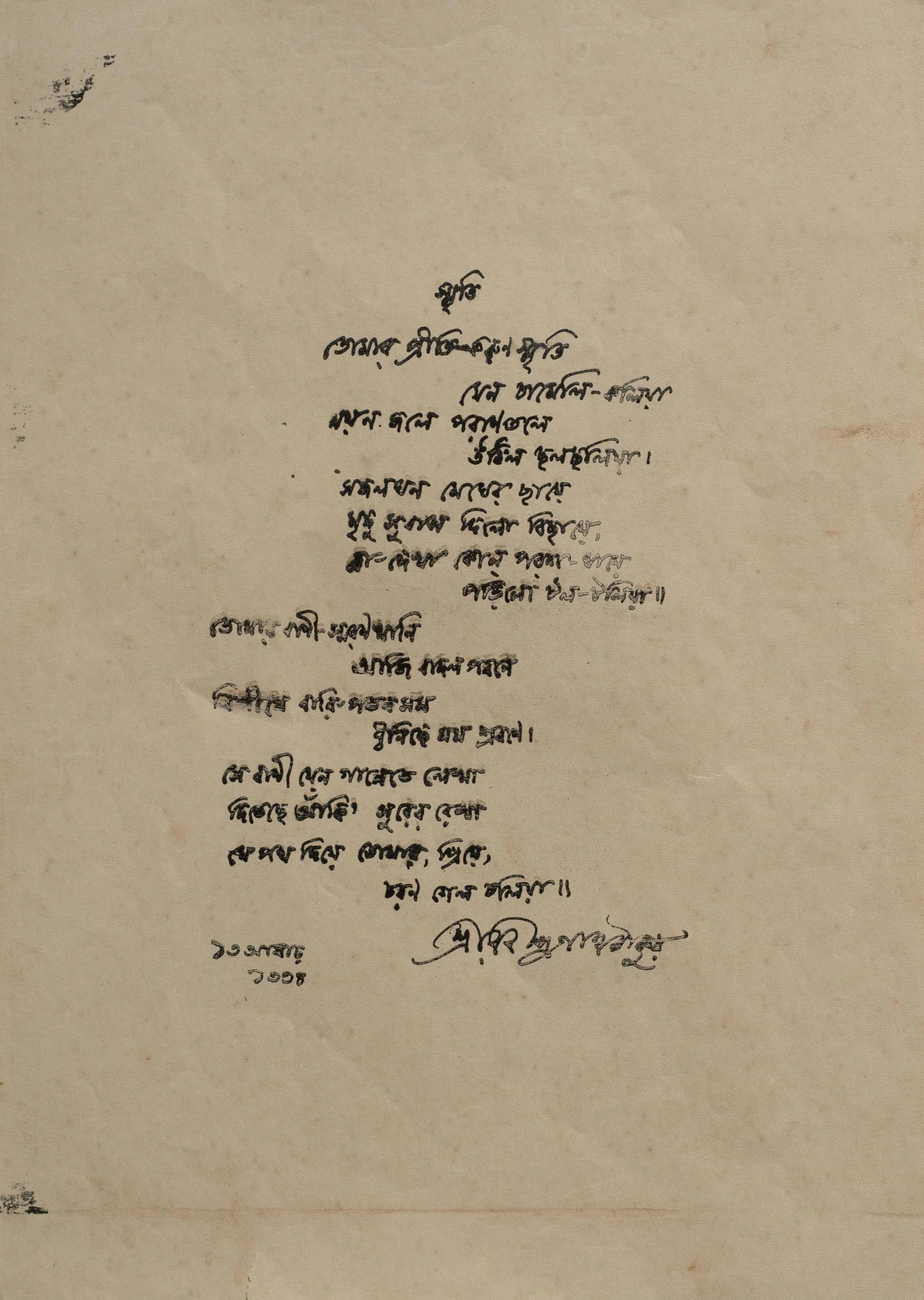
Rabindranath Tagore | Untitled 3 (mukul dey collection) | Lithography on paper | 11.25 X 8 In
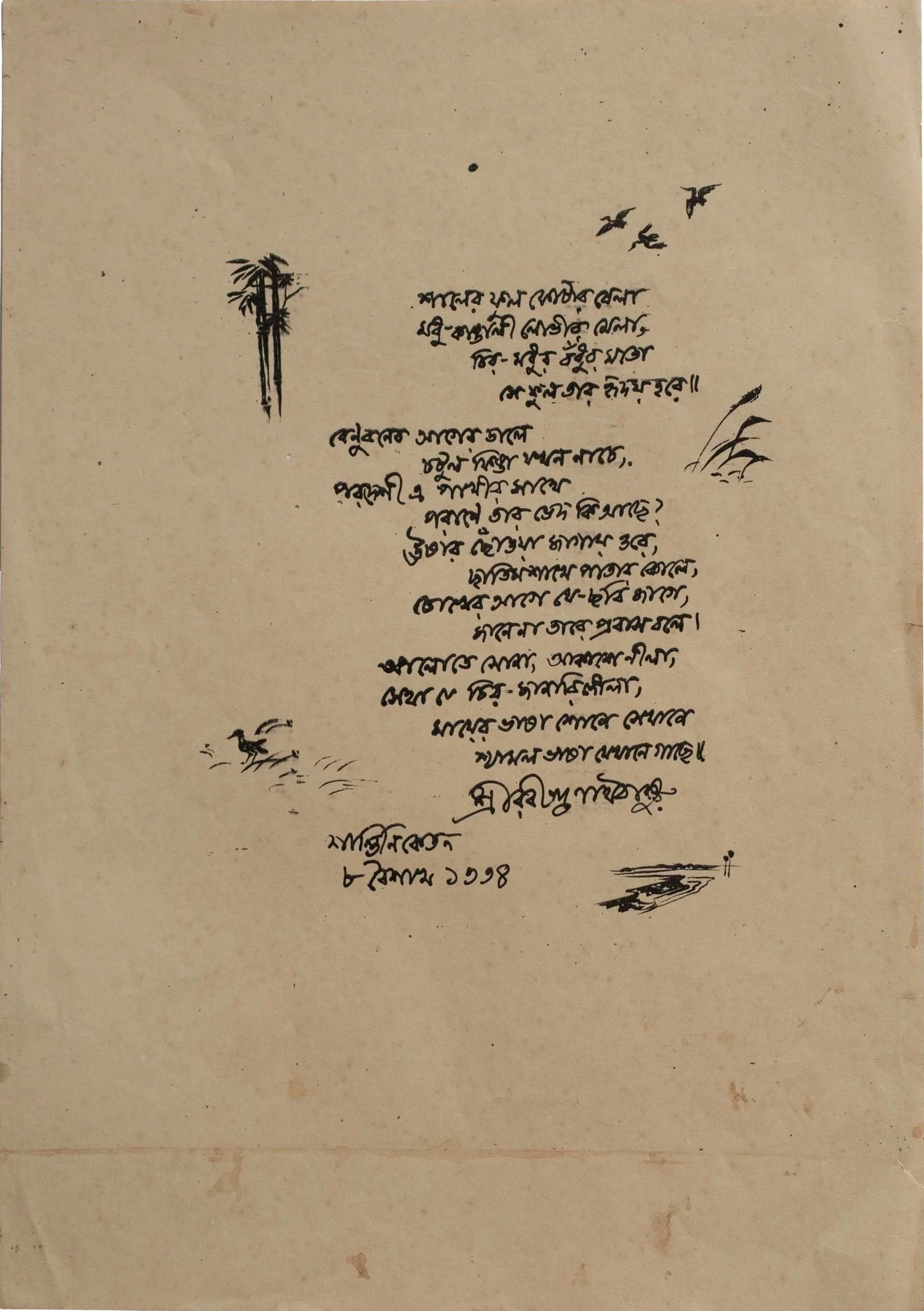
Rabindranath Tagore | Untitled 5 (mukul dey collection) | Lithography on paper | 11.25 X 8 In
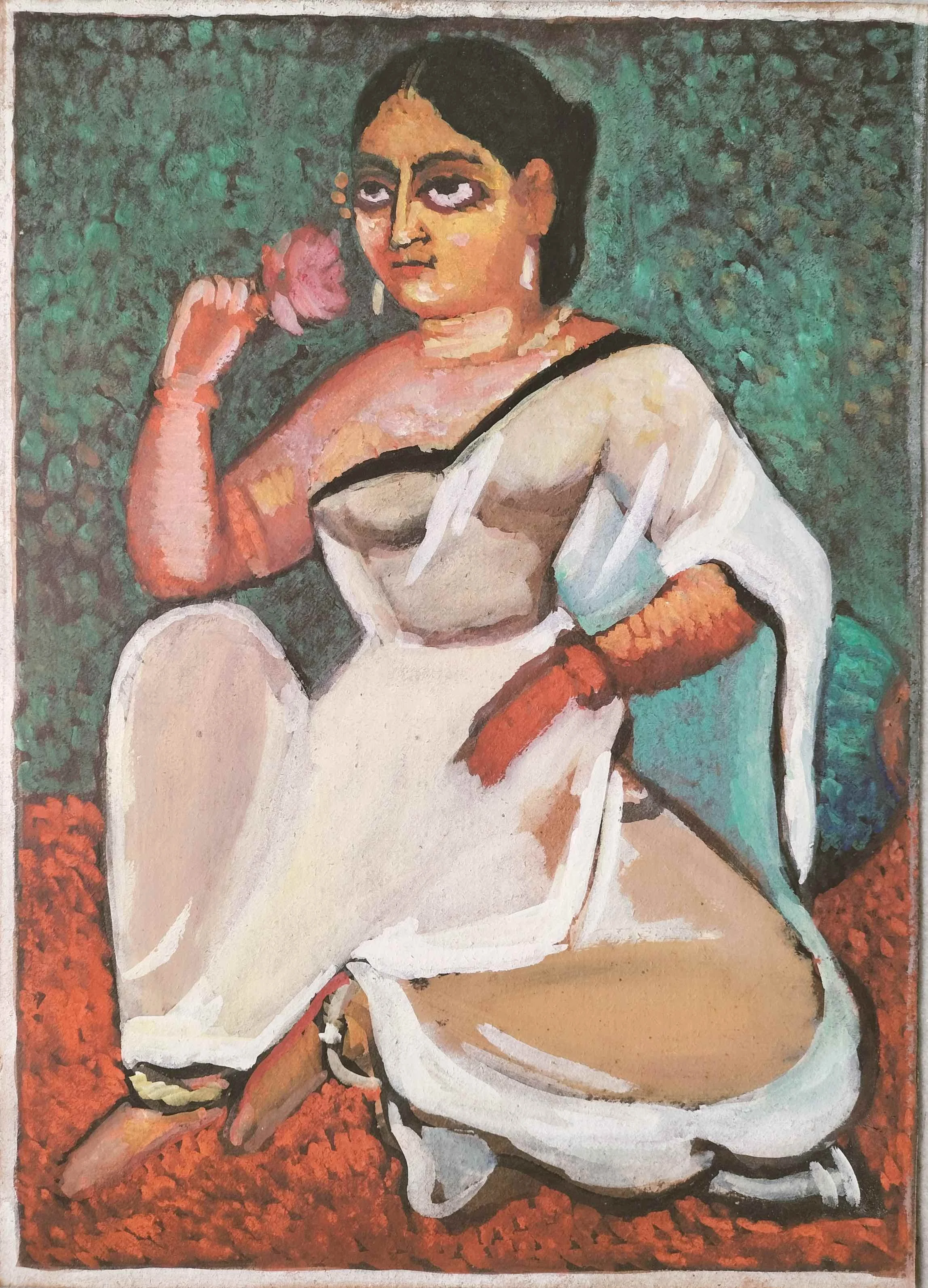
Jamini Roy | Golapsundari (Unsigned) | Tempera on Board | 25 x 18 inch

Jamini Roy | Landscape (Unsigned) | Gouache on paper | 7.5 x 4.75 inch

Jamini Roy | Rabindranath with Gandhi ji (Signed) | Gouache on paper | 7 x 5.25 inch

Jamini Roy | Seated Woman (Double-Sided; Front) | Tempera on Plywood | 18 x 8.2 inch
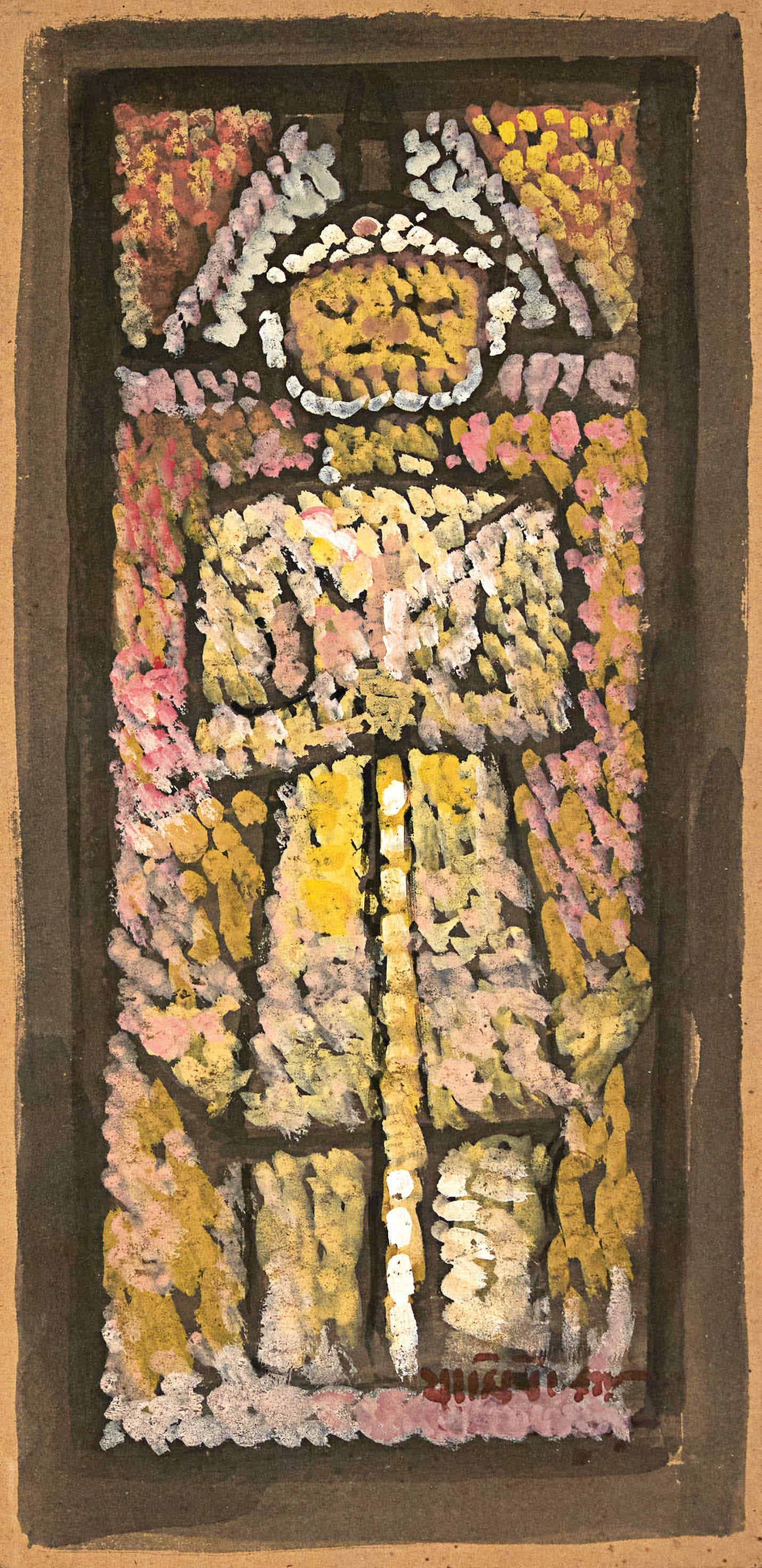
Jamini Roy | Saint (Signed) | Gouache on cardboard | 16 x 8 inch | 1940

Jamini Roy | Lady Saint (signed) | Gouache on Paper | 10.25 x 8.25 in
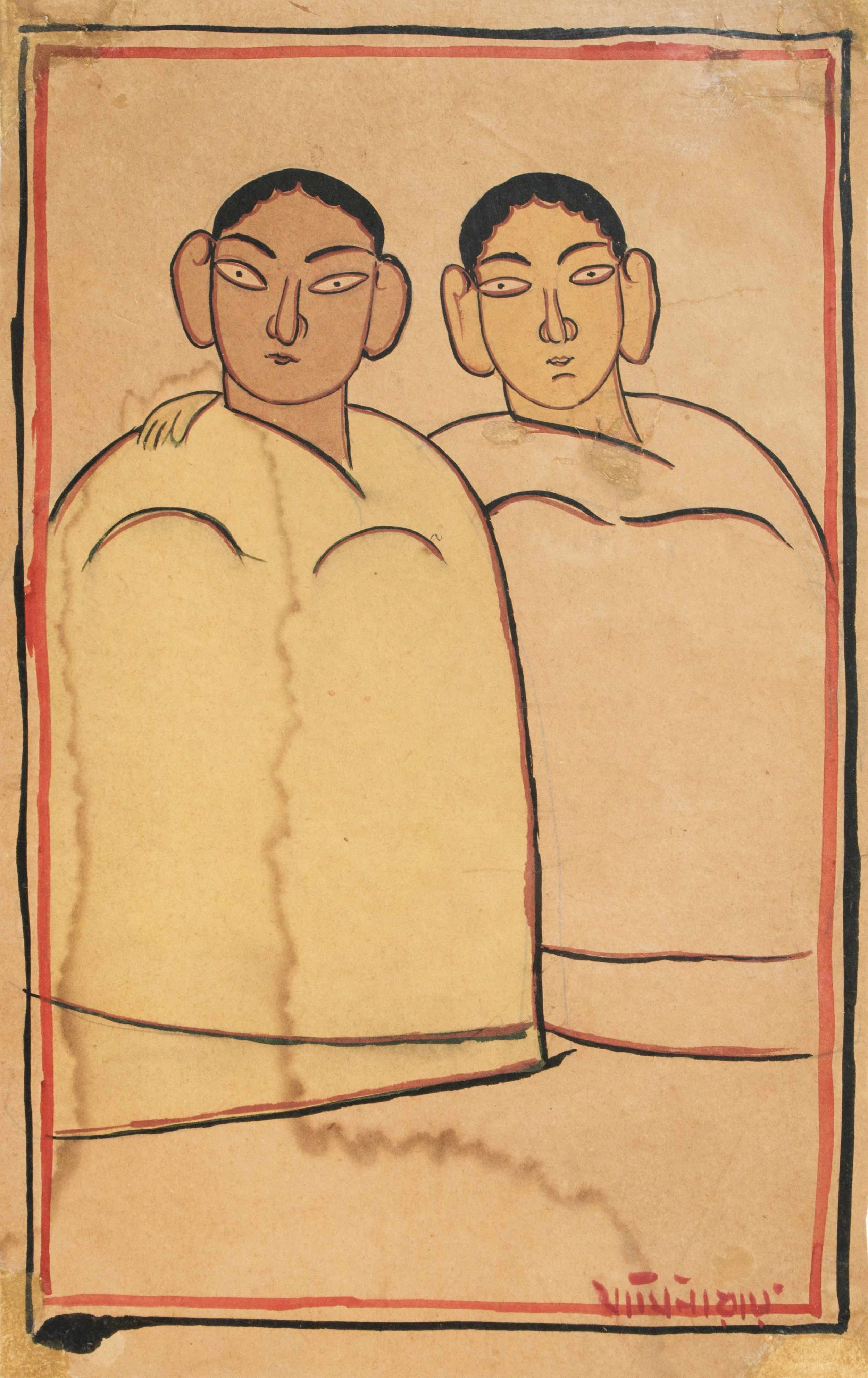
Jamini Roy | Friends (Signed) | Gouache on paper | 13 x 8 inch

Jamini Roy | Untitled (Unsigned) | Gouache and watercolour on paper | 11 x 7.5 inch

Jamini Roy | Mother & Child (Unsigned) | Pen and ink on paper | 8 x 8.25 inch
Amrita Sher-Gil 2 | Untitled | Graphite on paper 12.5 X 9.3 inches | 1930s
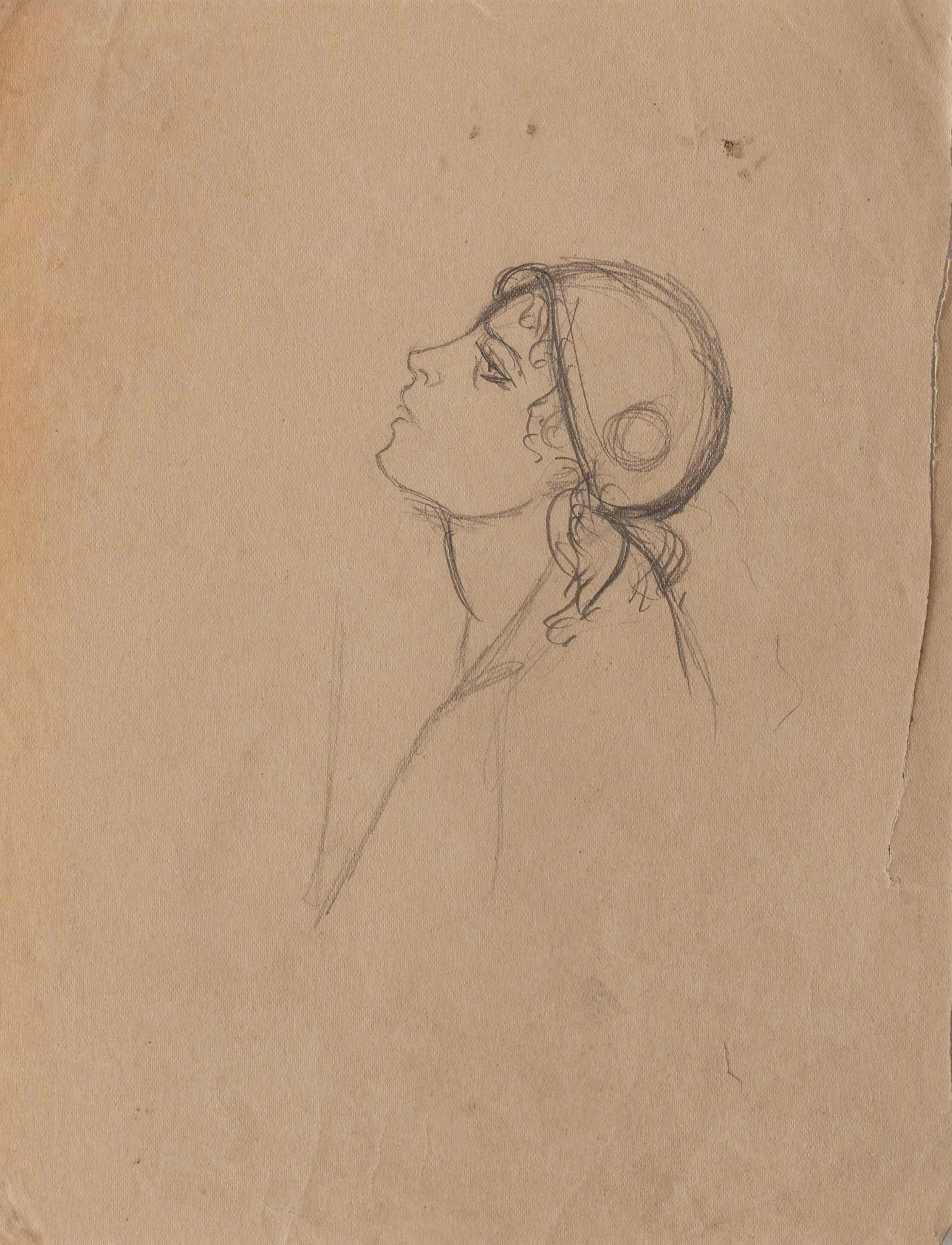
Amrita Sher-Gil | Untitled 4 (double-sided) | Graphite on paper | 10 X 7.75 inches | 1928
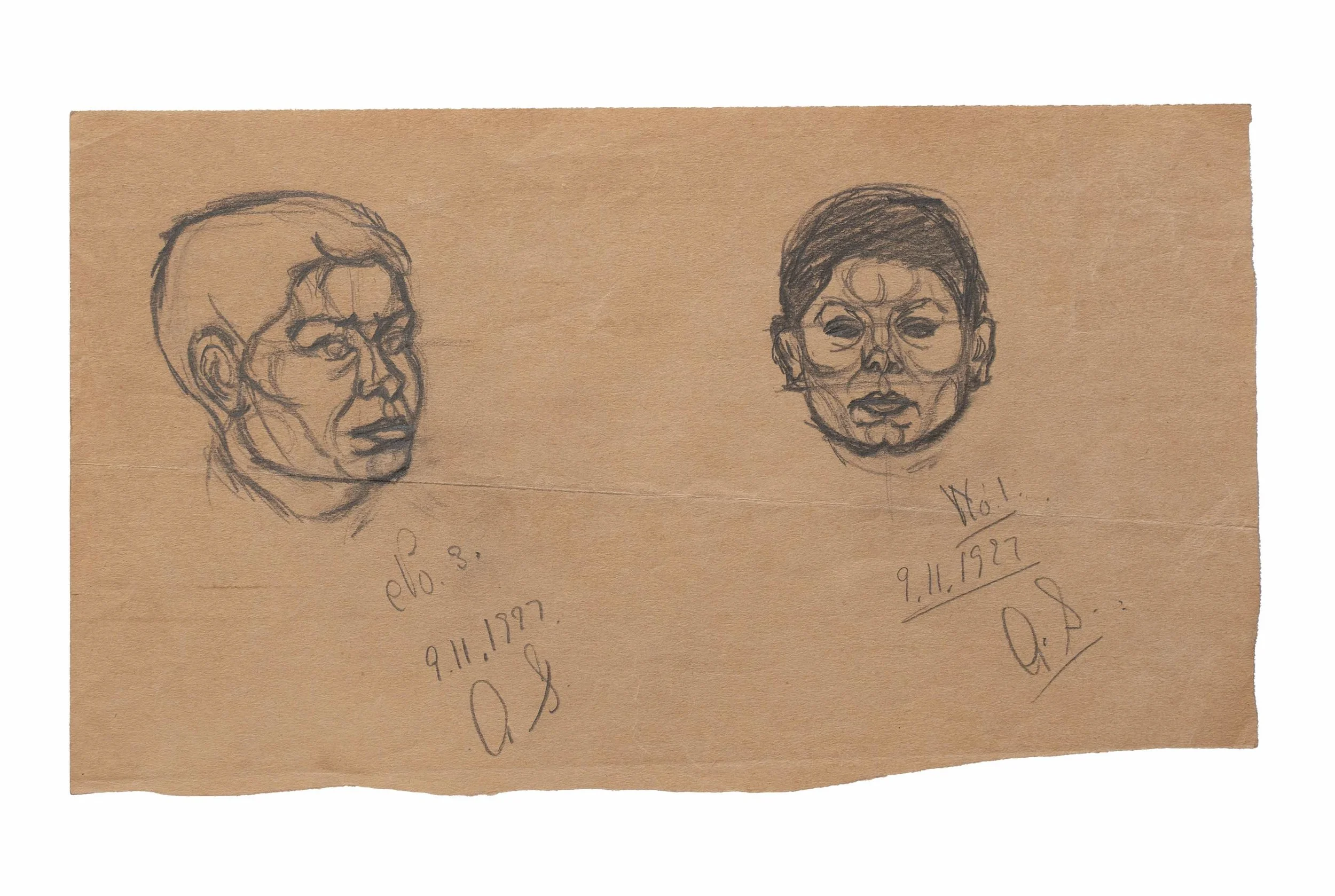
Amrita Sher-Gil | Untitled 3 | Graphite on paper 6 X 10.5 inches | 1927
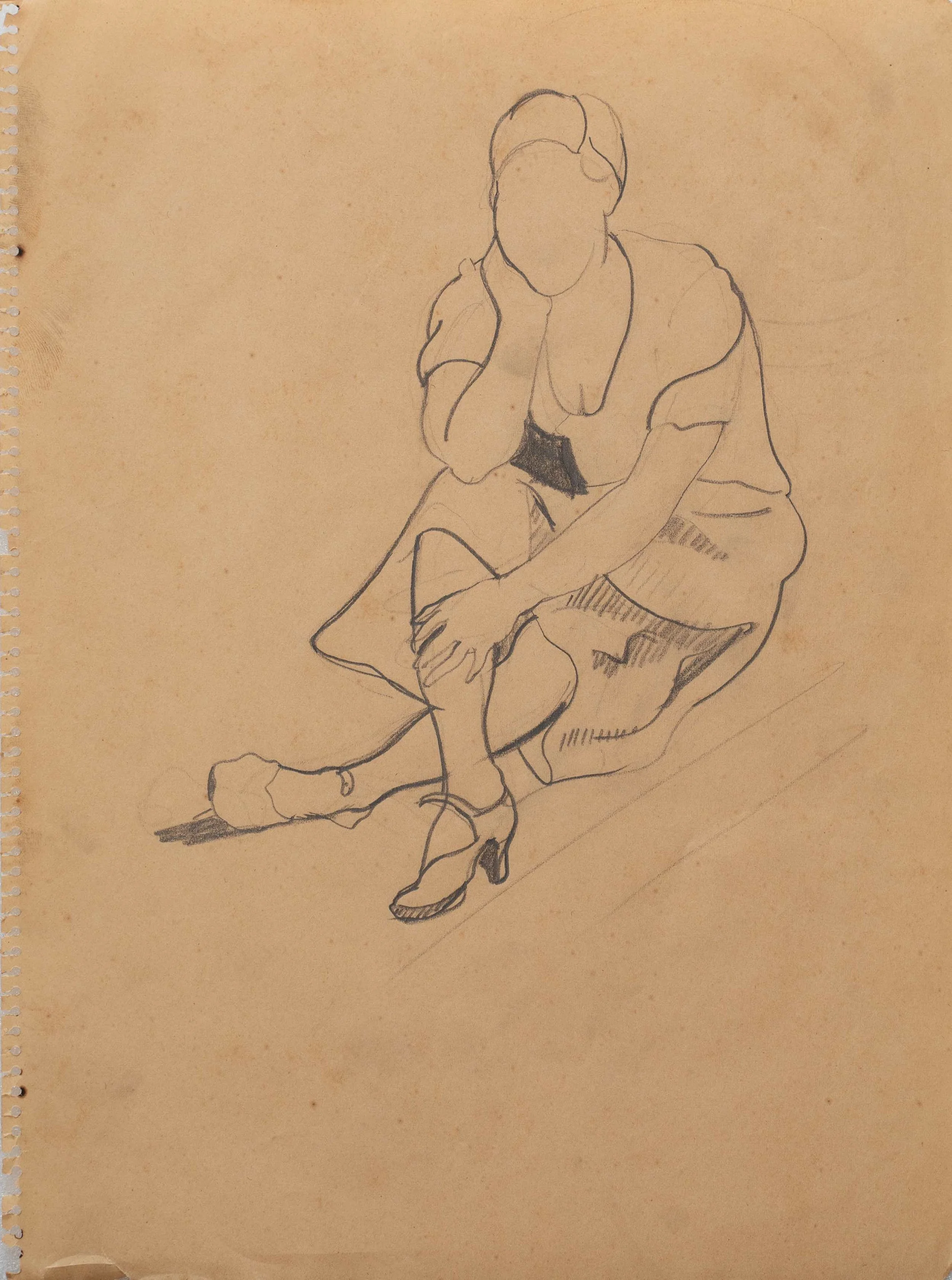
Amrita Sher-Gil | Untitled 5 | Graphite on paper 12.5 X 9.3 inches | 1930s
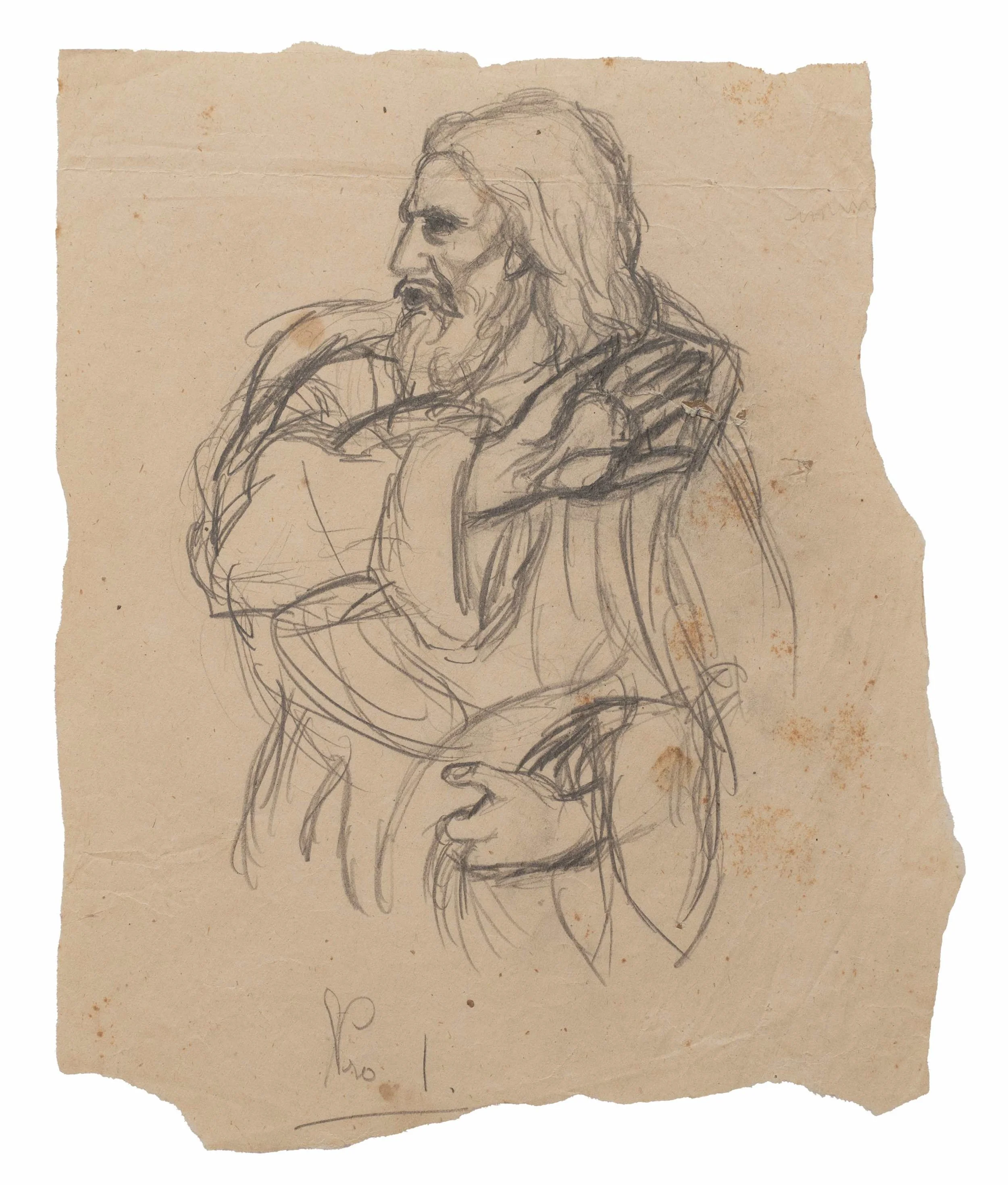
Amrita Sher-Gil | Untitled 6 | Graphite on paper 10.5 X 8.3 inches
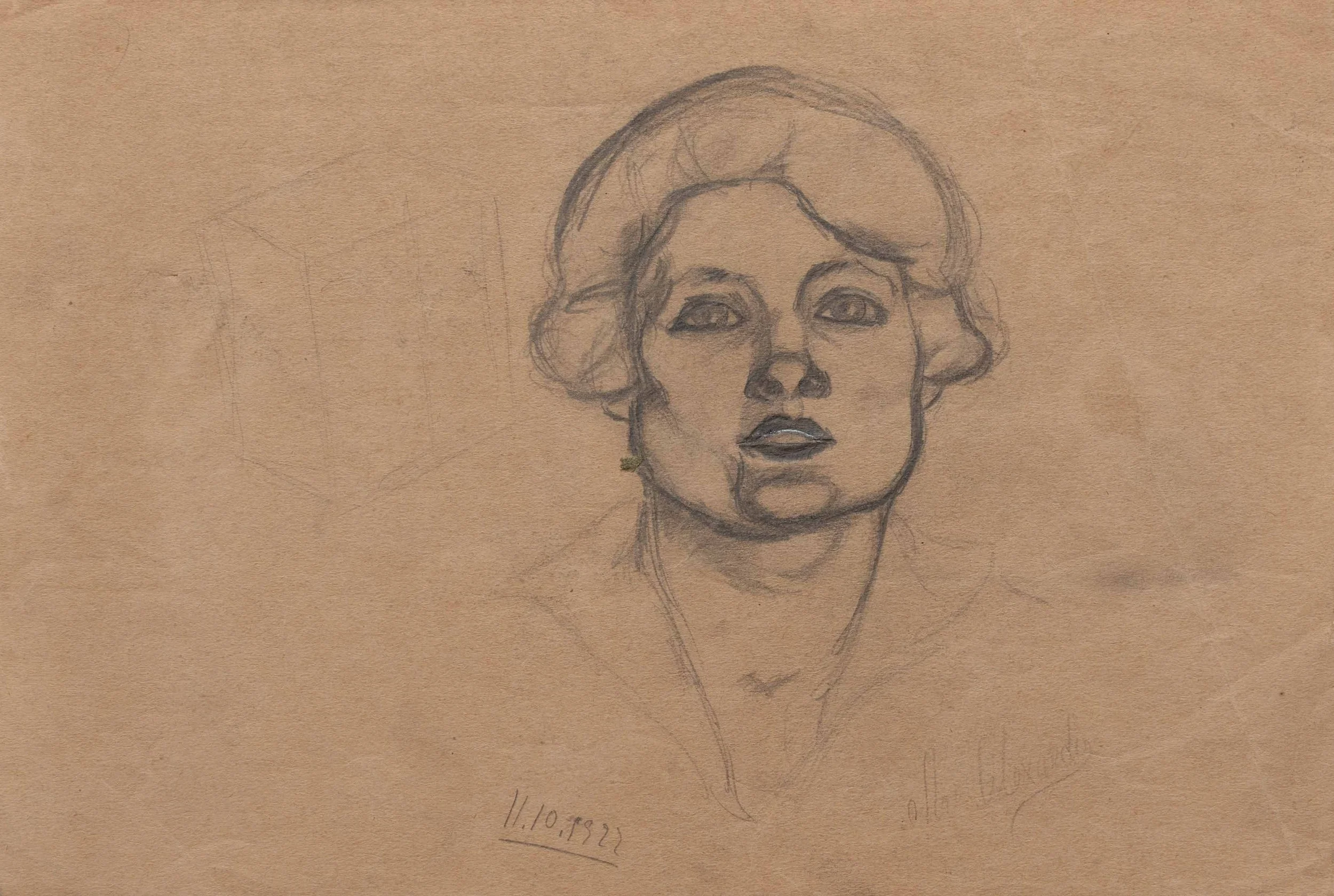
Amrita Sher-Gil | Untitled 10 | Graphite on paper | 6.75 X 10 inches | 1927
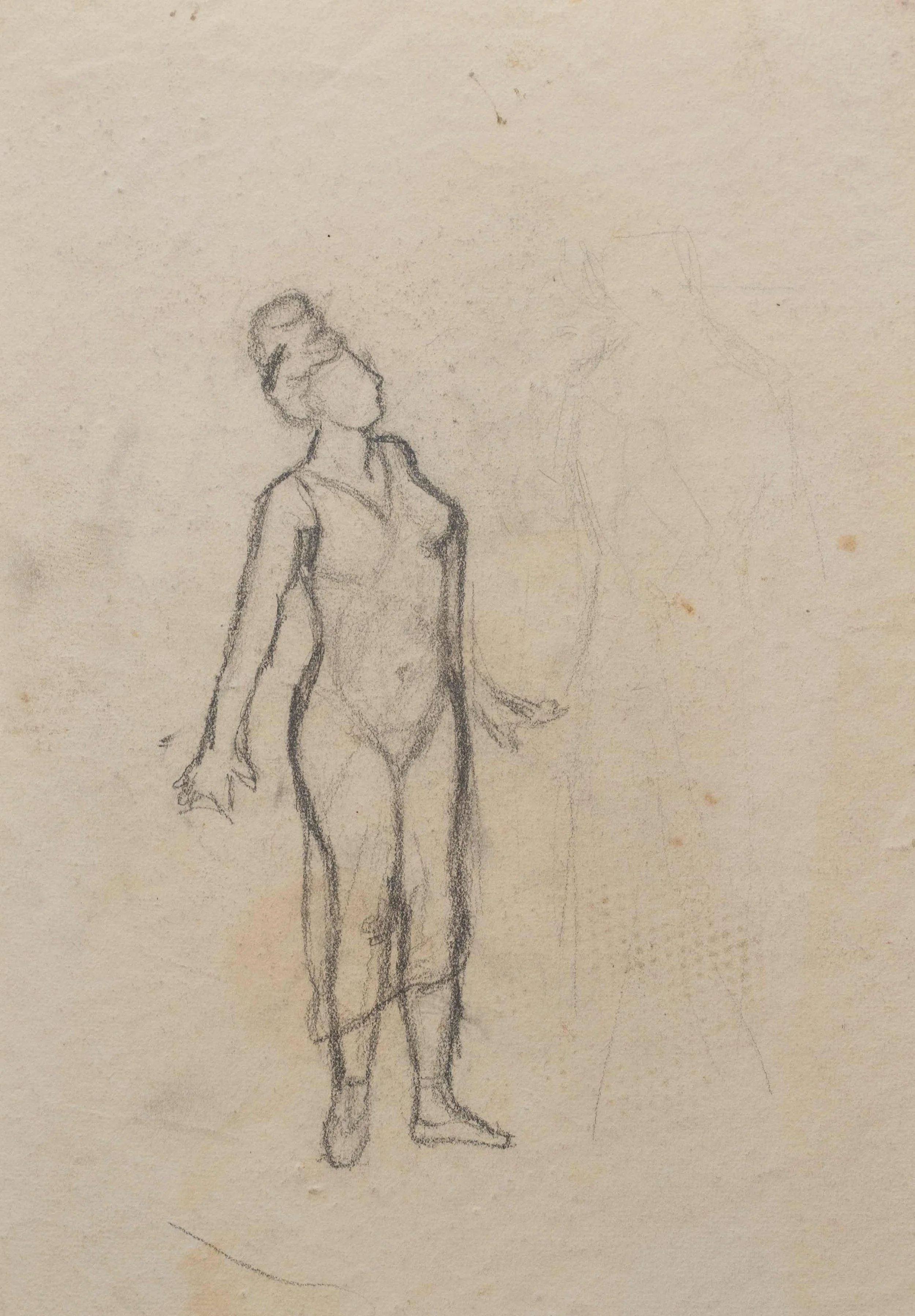
Amrita Sher-Gil | Untitled 1 (double-sided) | Graphite on paper | 12.75 X 8.8 inches | 1930s
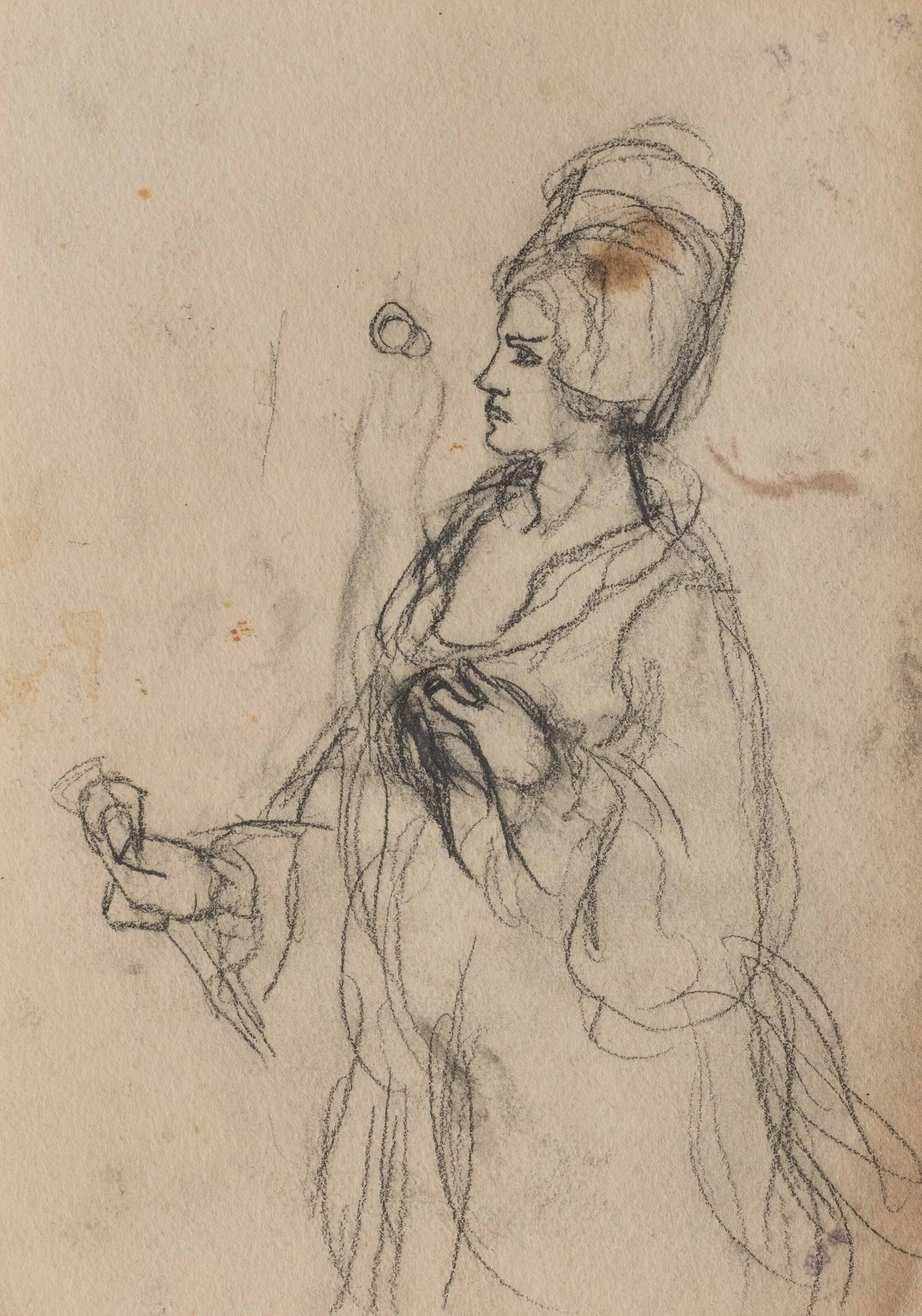
Amrita Sher-Gil | Untitled 7 (double-sided) | Graphite on paper | 10 X 7 inches
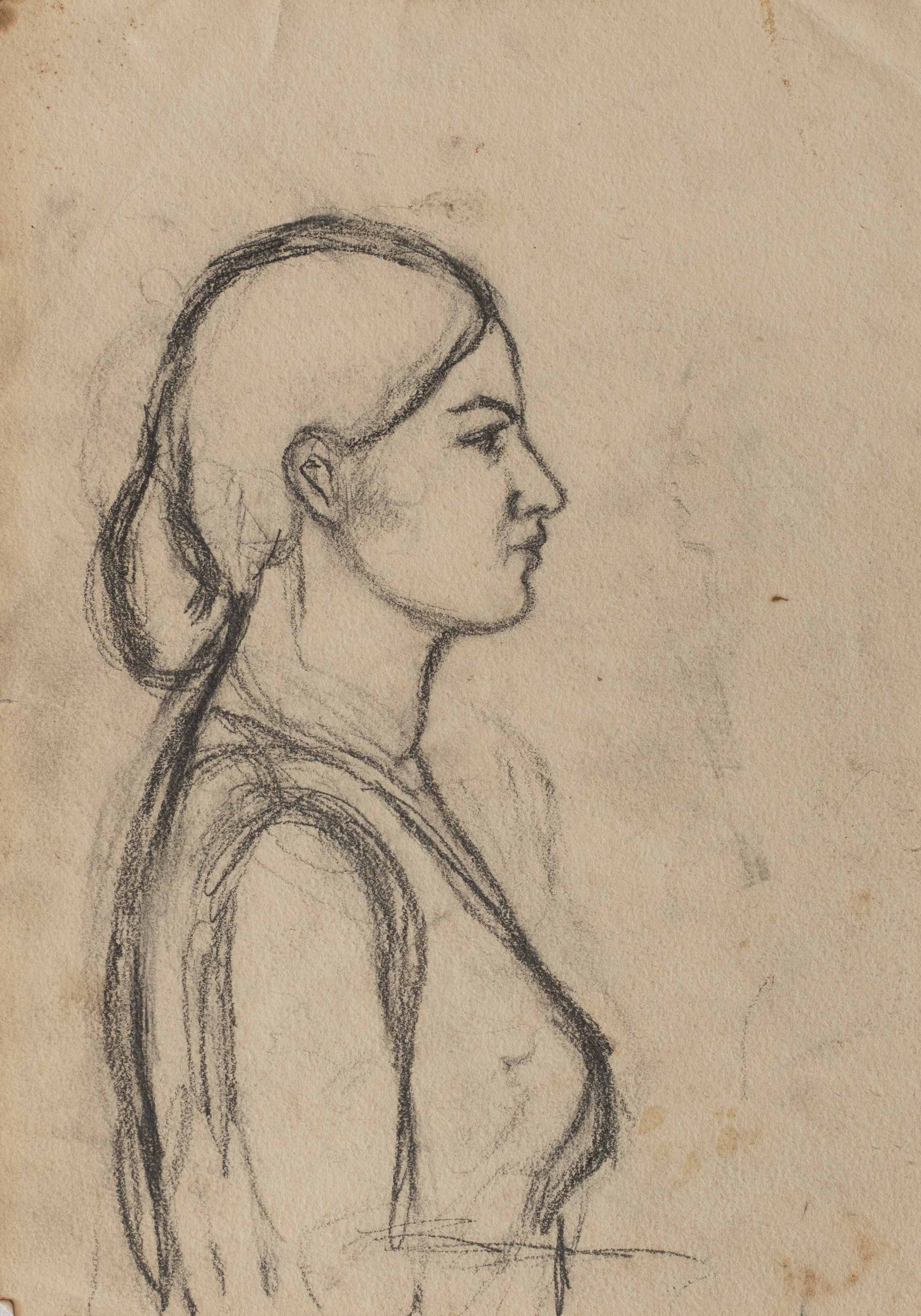
Amrita Sher-Gil | Untitled 9 (double-sided) | Graphite on paper | 10 X 7 inches
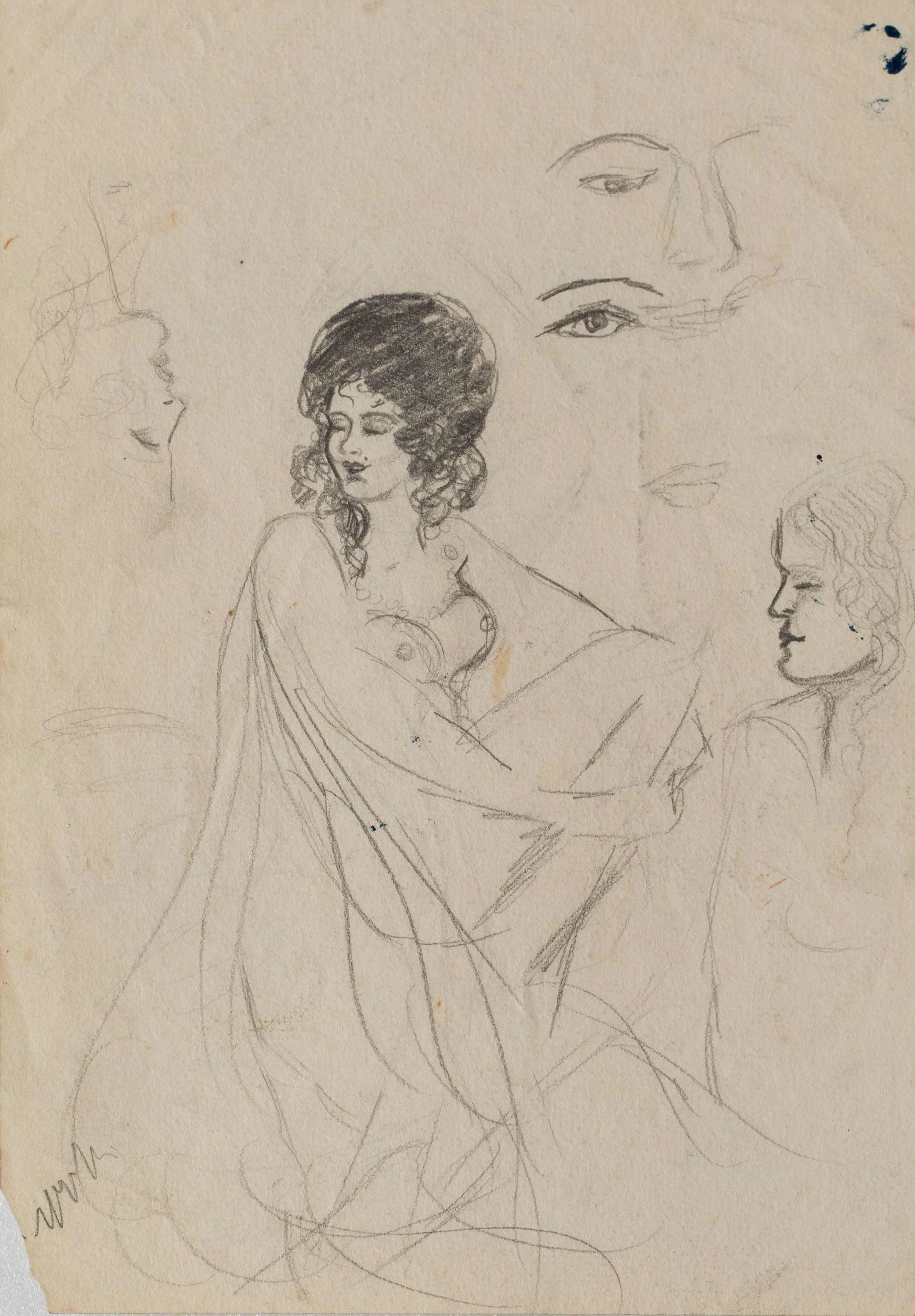
Amrita Sher-Gil | Untitled 8 (double-sided) | Graphite on paper | 10 X 7 inches